Ball Pagès:
The essence of our folklore

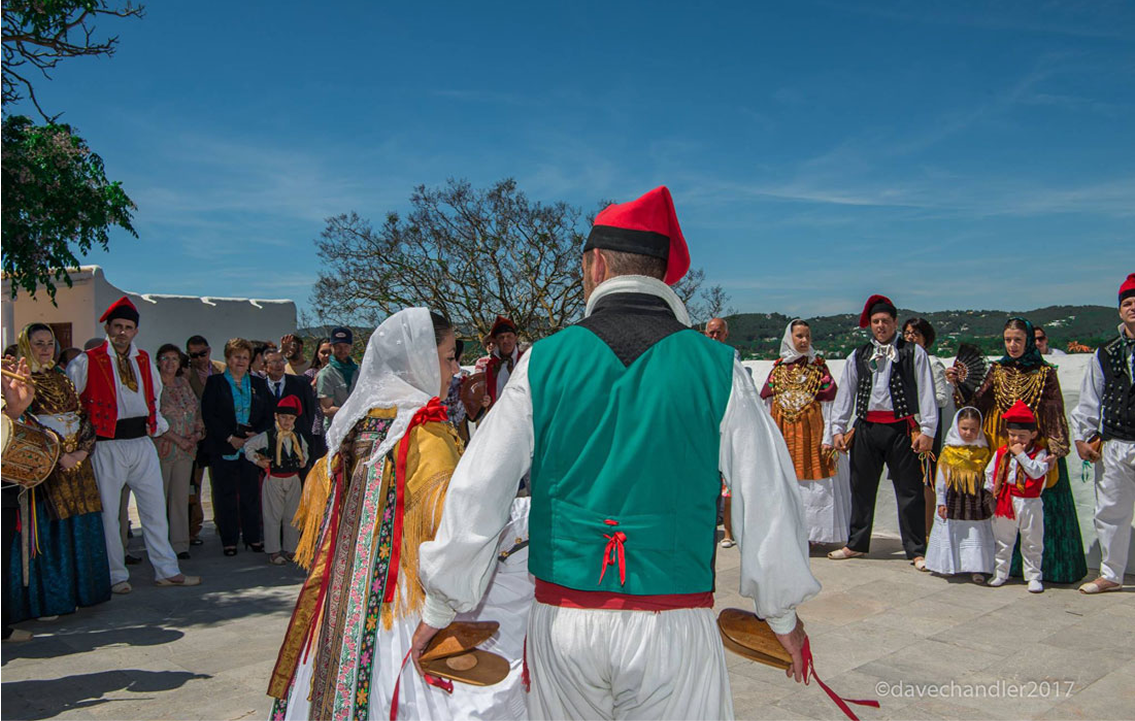
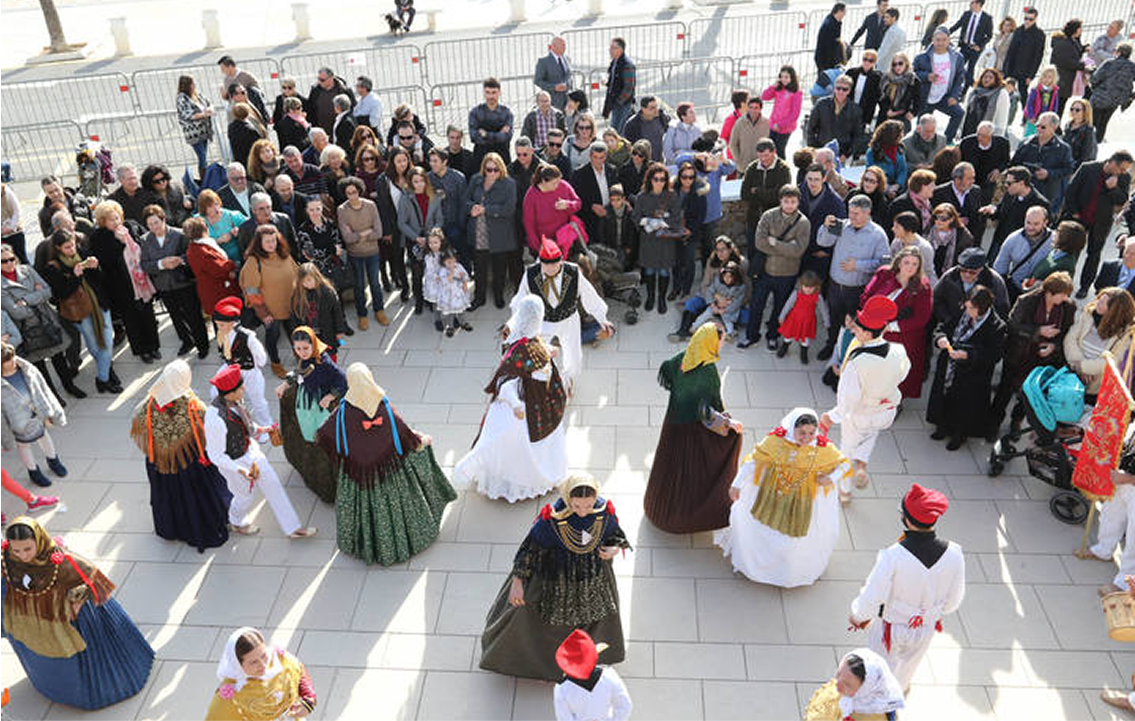
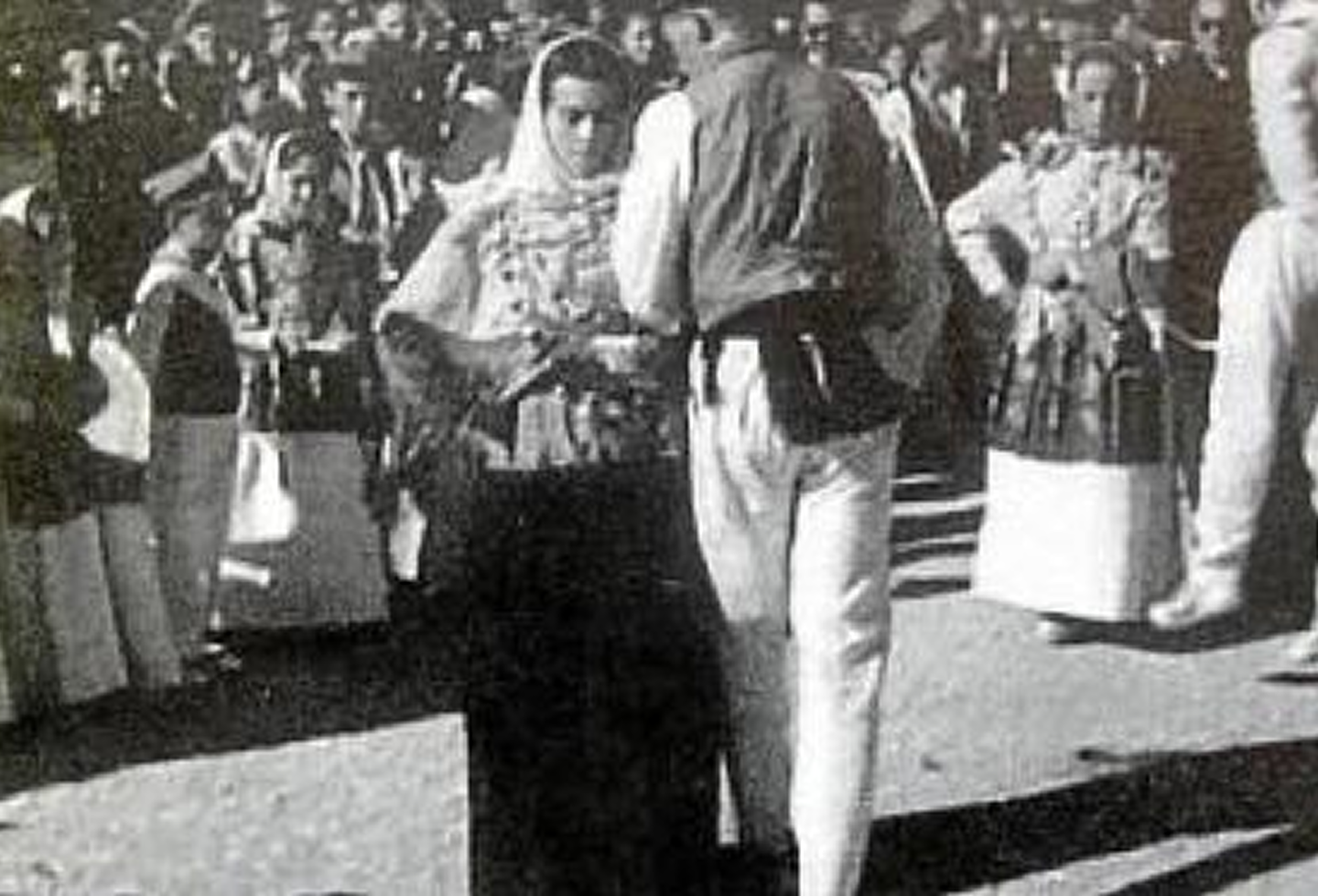
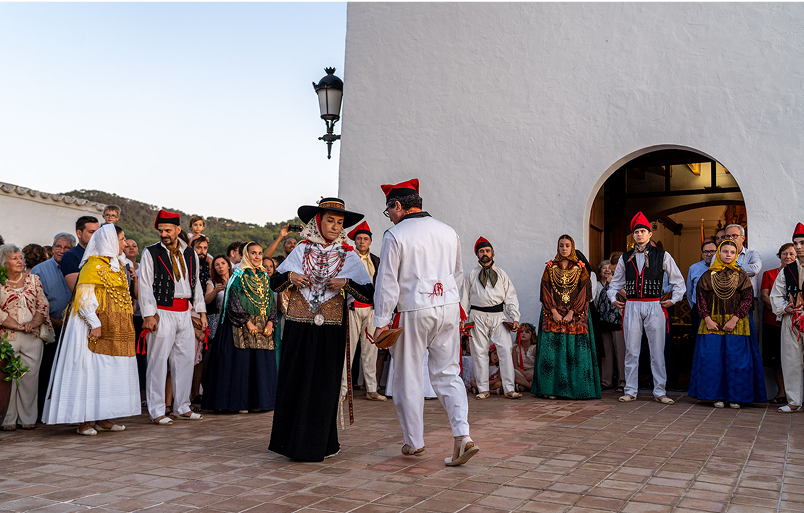
Ball Pagès is an ancestral dance native to Ibiza and Formentera, recognized as Intangible Cultural Heritage.

It represents a living legacy that expresses hierarchy, rhythm, and symbolism through movement and music. These dances are central to the traditional festivals and cultural events of the Pityusic Islands.

About the origins of Ball Pagès

While the exact origin of our dances is unknown, their characteristics (circular form), aesthetics, type of music, and intense ritualistic nature suggest they may be ancient dances.

Recent studies by Toni Manonelles and Miquel Mayordomo place it within the traditional forms of Western dances, where couple dancing emerged in the Middle Ages.

This fact would explain the introduction of this type of dance to the Pityusic Islands following the Catalan conquest of 1235, although the precise moment cannot be determined. We also find this cultural influence in our language, religion (with jewelry and the inclusion of music in liturgy), lineages, romances and songs, gastronomy… The dance, therefore, would be one more example.

Would you like to learn more?

A complete educational sheet with historical, technical, and contextual information about Ball Pagès.

Modalities recognized as Intangible Cultural Heritage:

Curta

This is the dance modality that traditionally began and ended the dances. As its name suggests, it is a short dance; the steps and rhythm are very slow and calm, suitable for starting the celebration in a relaxed manner, gradually increasing in intensity with the other dances. The music for this dance has a ternary rhythm.

Llarga

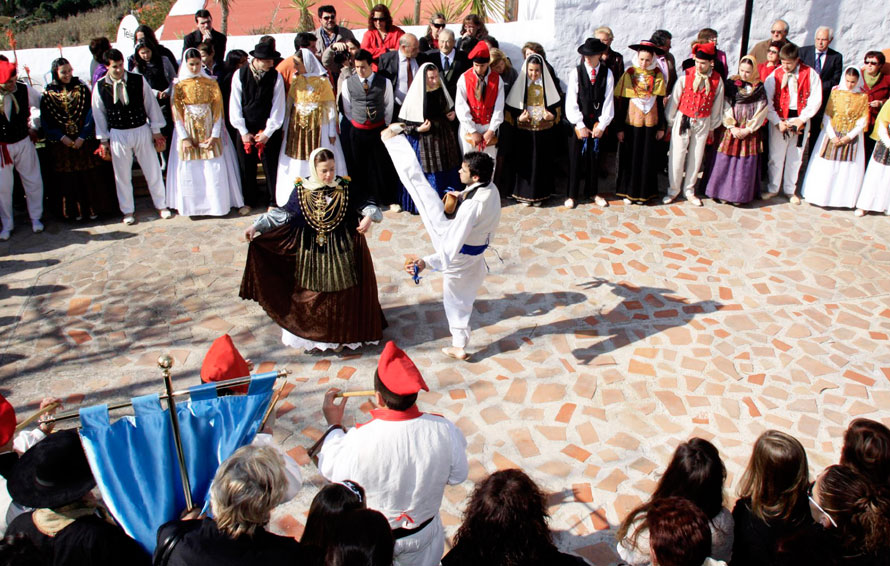
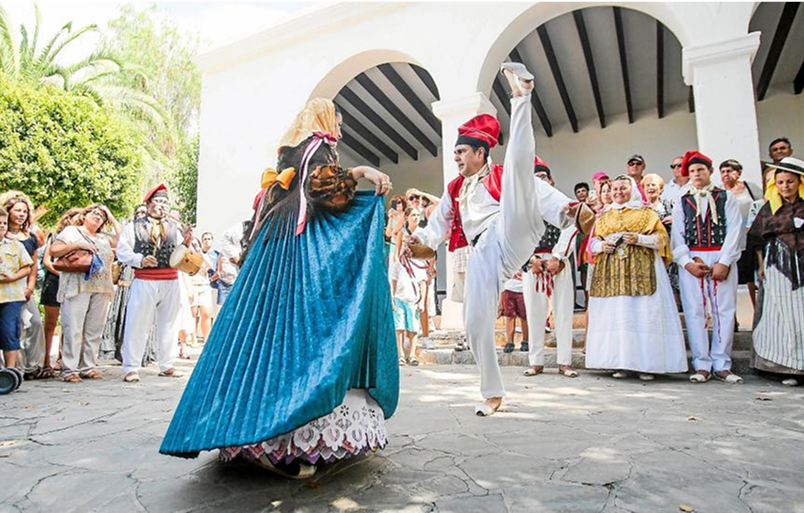
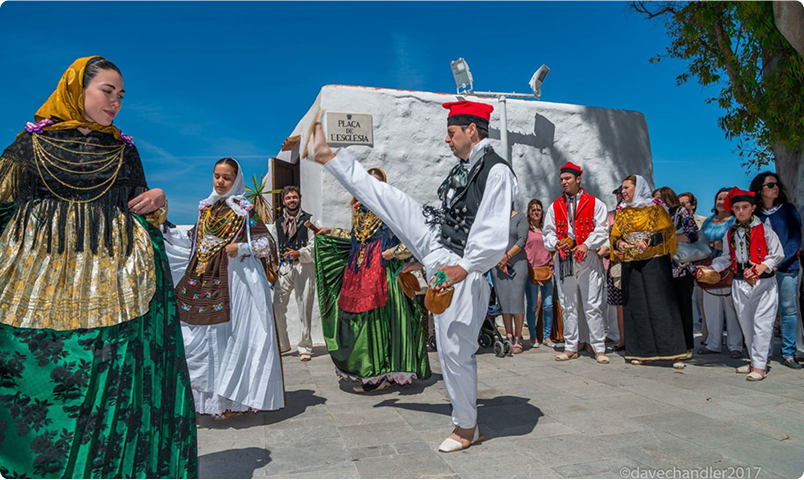
This is the most representative dance within the choreographic repertoire of the Pityusic Islands. It differs from the Curta in its rhythm, which is now more lively and energetic, and in the man’s attitude towards the female dancer. The rhythm, in this case quaternary, is much more animated, and the male dancer’s gestures are much more vigorous to demonstrate his strength, lifting his legs and playing the castanets louder and with more rhythm. The female dancer maintains her distant and imperturbable posture with short, quick steps, without breaking the elliptical figures she traces on the ground.

Filera

It is danced by a man with two, three, or even more women who form a line and describe the same figures as when they dance alone. To the rhythm of the Llarga, the male dancer approaches each woman and then moves away, sometimes passing the castanet over their heads. We have records of a Filera dance performed with two female dancers, although currently it is usually always done with three.

Nou Rodades

The variant ‘ses dotze rodades’ (the twelve turns) is also known:
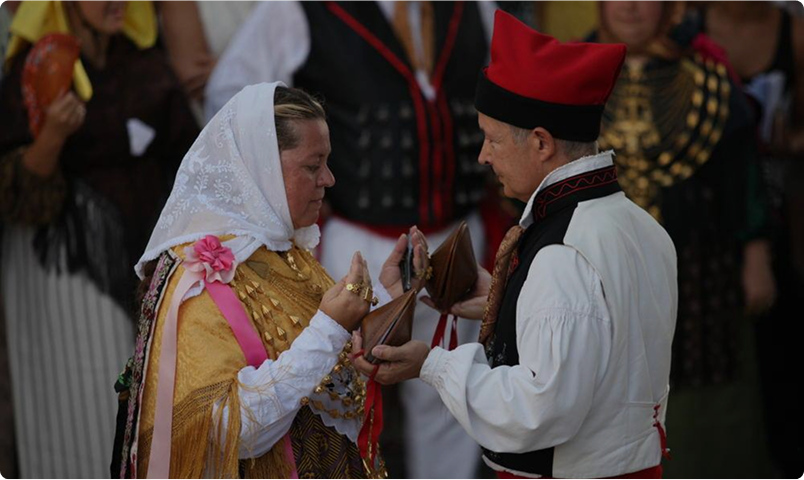
It is the most ceremonial dance and also the one that culminates the celebration. It most closely resembles an ancestral ritual, likely later Christianized by the Catalans. In this case, the man does not jump but moves with the female dancer, maintaining a certain symmetry and always following a choreography based on circular forms. It is the only dance where there is slight physical contact between the dancers. It most makes us think of a wedding ceremony where the newlyweds perform a series of symmetrical turns, moving away and approaching each other. When they meet in the center, they join at the elbows. From the sixth turn, the woman shows the rings, a gift from the groom. The dance concludes with a Llarga, in which all guests join.

WANT TO SEE IT LIVE?

Consult the dance directory

Experience Ball Pagès live — consult the calendar of well dances and popular dances.